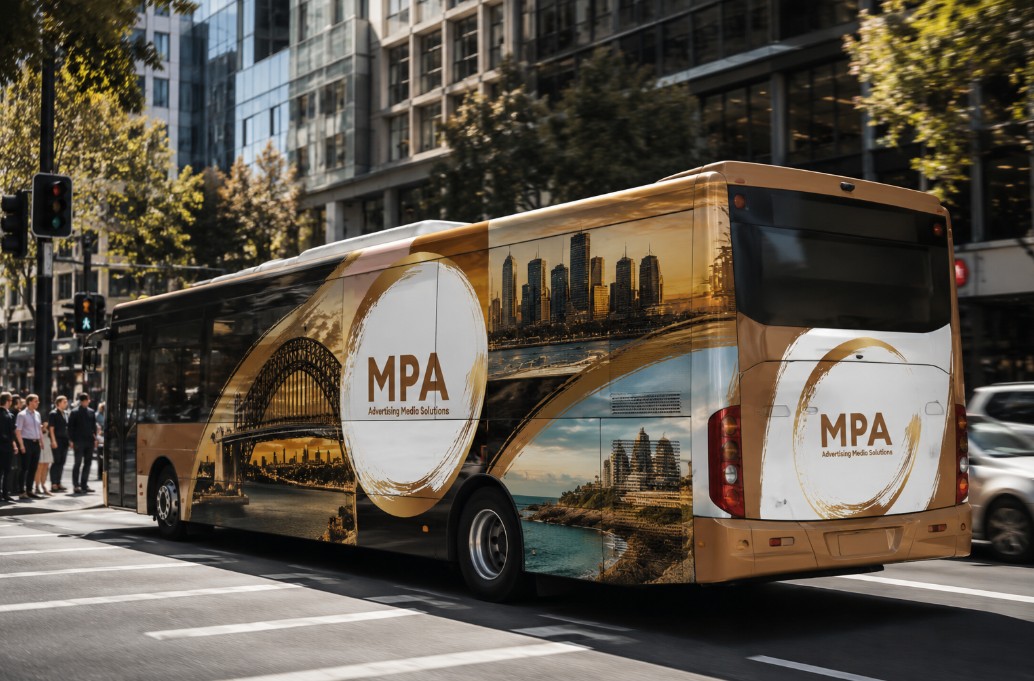
Bus wrap advertising gives brands an opportunity to turn an entire vehicle into a moving advertisement. A well-designed wrap can capture attention as buses travel through busy streets, commercial areas, and high-traffic routes. However, simply covering a bus with branding is not enough. The design needs to communicate the right message quickly and make the brand memorable.
This guide covers practical design tips for effective bus campaigns, from choosing visuals and fonts to designing around the vehicle’s shape and incorporating calls to action.
Why Effective Bus Wrap Design Matters
A well-designed bus wrap can help a brand stand out in busy environments where people see advertising throughout the day. Since buses travel through various locations and along different routes, they can provide repeated exposure to motorists, pedestrians, and passengers.
Effective creative bus wraps can:
- Give brands more exposure on busy roads and high-traffic routes
- Help people recognise the brand through a memorable design
- Reach a broad and diverse audience
A strong design can help businesses get more value from their bus wrap cost. A clear and memorable advertisement is more likely to make an impression each time it is seen. When comparing this type of exposure with other options, businesses may also look at factors such as TV advertising costs.
Start With a Clear Advertising Objective
Before creating the artwork, decide what you want the campaign to achieve. A bus wrap can serve different purposes, whether you want to introduce your brand to a new audience or promote a specific offer. Having one clear objective will help you decide what to include in the design.
For example, the campaign may focus on:
- Building brand awareness: Keep the branding prominent and use a simple message that people can remember after seeing the bus.
- Promoting a product or service: Highlight the main benefit or offer and give viewers a clear reason to take notice.
- Generating enquiries: Include a straightforward call to action with a website, phone number, or QR code that makes it easy to respond.
Once the objective is clear, use it to guide the headline, imagery, branding, and call to action. If needed, a media agency in Sydney can also help match the campaign with the right audience and media format.
Keep the Message Simple and Readable
People may have only a few seconds to see an advertisement as a bus passes. This makes simplicity essential.
Use:
- A short, memorable headline
- Minimal supporting text
- One primary message
- A clear visual hierarchy
Avoid excessive information and prioritise the details that matter most. If the message cannot be understood quickly, the design may be trying to communicate too much.
Use Bold and Eye-Catching Visuals
Strong visuals can make an advertisement more noticeable in busy urban environments. Choose high-quality images, graphics, and other elements that support the message.
Contrasting colours can help important elements stand out, while distinctive imagery can make the advertisement easier to recognise. This is important when considering outdoor advertising in Australia, where visual impact plays a major role. Businesses can also compare the visual impact of bus wraps with other outdoor formats and billboard advertising rates.
Make Your Branding Highly Visible
A viewer should be able to identify the brand quickly. Position the logo and other brand elements where they are easy to notice without overpowering the main message.
Maintain consistency with your:
- Brand colours
- Fonts
- Logo
- Imagery
- Visual identity
Consistent branding can help build familiarity when people encounter the advertisement repeatedly.
Choose Fonts for Maximum Readability
Typography needs to remain clear when viewed from a distance. Choose larger, simple fonts that are easy to recognise while the bus is moving.
Avoid complicated typefaces and ensure sufficient contrast between text and its background. Keep the most important information visually prominent.
Design Around the Bus Shape
A bus has windows, doors, wheels, and other features that can affect how a design appears once installed. These should be considered before the artwork is finalised.
When designing full wrap bus advertising:
- Consider windows, doors, and wheels
- Keep important messaging clear and visible
- Keep key details away from obstructed areas
- Make sure graphics fit around the vehicle’s structure
Create a Strong Call to Action
A strong call to action gives viewers a clear next step after seeing your advertisement. Keep it short and direct, using action-oriented language such as “Visit”, “Call”, “Shop” or “Learn More”.
Make sure the response method is easy to remember and noticeable from a distance. Depending on your campaign, this could be a simple website address, phone number, or store location. Avoid adding multiple CTAs, as this can make the design feel crowded and leave viewers unsure about what to do next.
Use QR Codes Strategically
QR codes can connect an outdoor campaign with a business’s online presence. Place the code in a visible, unobstructed area and link it to a mobile-friendly landing page.
Tracking scans can also help businesses measure engagement. This can be useful for businesses running digital advertising Sydney campaigns alongside their outdoor activity.
Consider Visibility From Different Angles
A bus can be viewed from the side, rear, and other angles, so the design should work from different viewing positions. The main message and branding should remain recognisable even when viewers only see part of the advertisement.
Think about how the wrap will appear to:
- Pedestrians
- Motorists
- Passengers
- People waiting near roads and transport routes
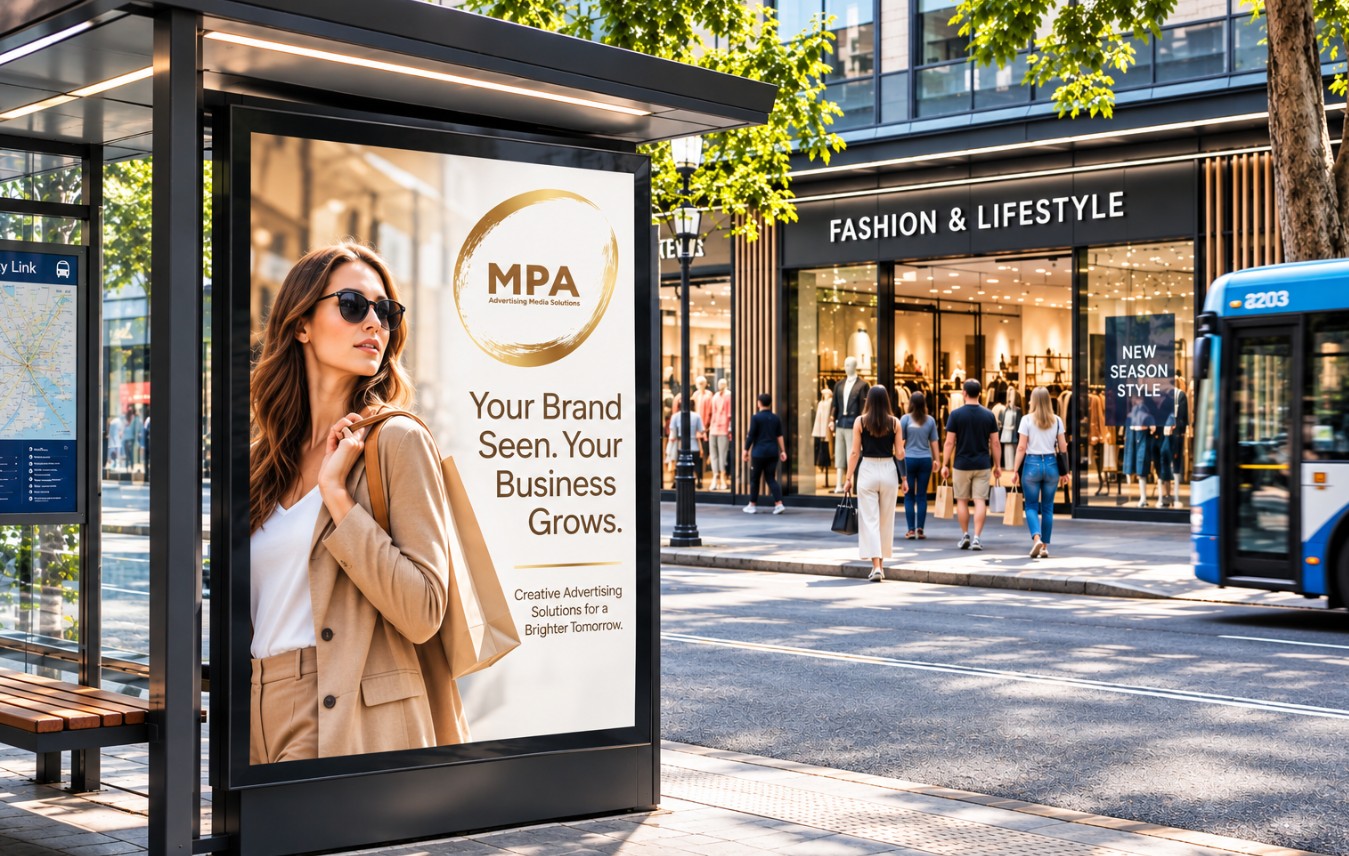
For businesses planning bus advertising in Sydney, the surrounding environment and routes are also worth considering. A campaign may work alongside bus shelter advertising in Sydney to give the brand visibility at different points along the journey.
Conclusion
An effective bus wrap combines clear messaging, strong visuals, and consistent branding. By keeping the design simple, considering the bus’s shape, and making the CTA easy to follow, businesses can create advertising that attracts attention and remains memorable.
Ready to plan your next bus advertising campaign?
Speak with MPA – The Media Planning Agency on 1300 81 44 88 to discuss your media requirements and explore advertising options suited to your business.