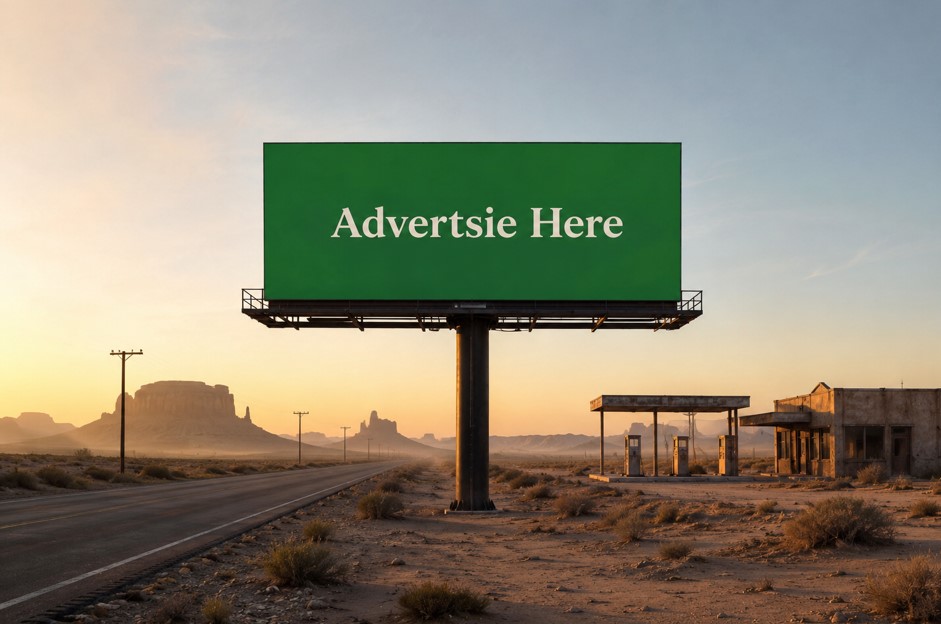
Highway billboard advertising looks simple from the outside. A big sign, a bold message, and thousands of passing cars. But behind that simplicity, there’s a process that feels a bit more layered than most people expect, especially for small businesses trying to make careful decisions with limited budgets.
This article mentions how highway billboard advertising works, from booking to display, while also unpacking costs, targeting, and why it still matters in a crowded advertising landscape.
How Highway Billboard Advertising Comes Together
At a glance, motorway billboard advertising feels straightforward. You pick a spot, put up a design, and hope people notice. In reality, it unfolds in stages that require a mix of planning and instinct.
From Booking to Going Live
The process starts with choosing a location. That part alone can take time. Not every highway billboard rental offers the same exposure, even if they look similar on paper. Some face heavy commuter traffic, others catch long-distance travellers.
Then comes the creative. Designing for a billboard isn’t like designing for social media. Messages need to be short. Sometimes uncomfortably short. You have seconds to communicate something meaningful.
Booking the space follows. Availability can be unpredictable in high-demand areas. And once everything is locked in, installation or digital scheduling takes place, depending on whether it’s a static board or part of digital billboard advertising.
It sounds linear, but in practice, these steps overlap. Designs get revised after locations are confirmed. Budgets shift mid-way. It’s rarely a perfectly neat process.
The Quiet Role of Media Planning Support
Most small businesses don’t navigate this alone. Working with an outdoor advertising agency in Sydney can make a noticeable difference, although not always in obvious ways.
These agencies help with location selection, yes, but also with pricing discussions. Rates aren’t always fixed. There’s room for negotiation depending on duration, season, and availability.
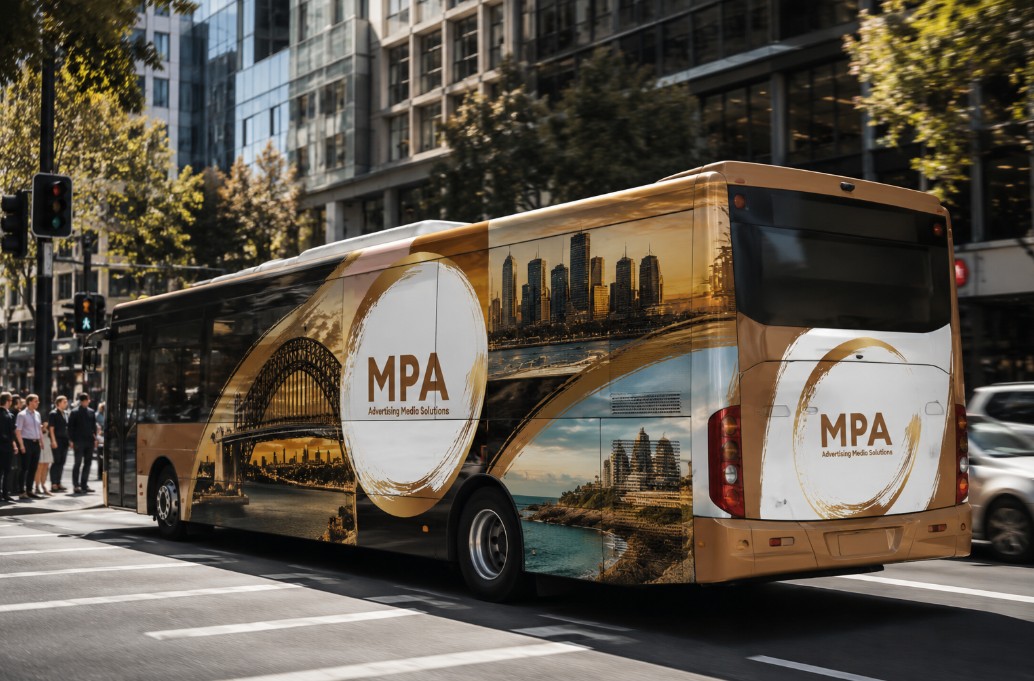
They also manage campaign timing. For example, pairing a billboard campaign with radio advertising in Sydney, or even bus advertising in Sydney, can create a more consistent presence across different touchpoints.
Some businesses prefer to handle things independently. It depends on how comfortable they are with the details and how much time they’re willing to invest.
Choosing Locations That Actually Work
Picking the right billboard location is where strategy quietly takes over.
What Makes a Location Effective?
Traffic volume is the obvious factor. More cars mean more impressions. But visibility matters too much. A billboard partially blocked by trees or poorly angled toward traffic loses impact, no matter how busy the road is.
Audience demographics also play a role. A highway leading into a business district will attract a different crowd than one heading toward a coastal area. That difference can shape messaging decisions.
Proximity is another consideration. A local café might benefit from placements closer to its physical location, while a regional service might focus on broader motorway billboard advertising coverage.
Why Small Businesses Still Use Highway Billboards
It’s fair to wonder if billboards still work. With so much focus on digital channels, they can feel old-fashioned. But they continue to hold a certain kind of value.
Visibility That’s Hard to Ignore
Highway billboard advertising offers scale. Thousands of people pass by the same message every day. Even if they don’t consciously read it every time, repetition builds familiarity.
Reaching People on the Move
Commuters and travellers are a unique audience. They’re not scrolling or skipping ads. They’re moving through space, and billboards become part of that environment.
That’s something digital billboard advertising has tried to replicate, but the physical presence of a large roadside display feels different.
Building Recognition Over Time
For small businesses, brand awareness doesn’t happen overnight. Repeated exposure helps. Seeing the same name or logo during daily commutes can create a sense of familiarity, even if people don’t act on it immediately.
It’s subtle. But it tends to accumulate.
Getting the Audience Right
Targeting with billboards is less precise than online ads, but it’s not random either.
Reading Traffic Patterns
Understanding when people travel matters. Morning and evening peak hours bring different types of commuters. Weekends shift the audience again.
Some businesses align campaigns with these patterns if their services are time-sensitive.
Local vs Wider Reach
A local service might focus on nearby placements, similar to how bus shelter advertising in Sydney targets specific neighbourhoods. Regional brands may use broader strategies for outdoor advertising in Australia to reach people across longer routes.
There’s no strict rule. Sometimes businesses test both approaches before deciding what works.
Using Data to Guide Decisions
Traffic analytics and route data have become more accessible. They don’t guarantee success, but they help reduce guesswork.
Still, data isn’t everything. There’s always an element of intuition involved. Some placements feel right, even if the numbers aren’t perfect.
Breaking Down the Costs
The topic of highway billboard advertising cost tends to come up early, and for good reason.
What Affects Pricing?
Several factors influence pricing: location, traffic demand, billboard size, format, and how long you book the space.
Prime highway spots near major cities cost more. Digital billboard advertising can also carry higher rates due to flexibility and rotation.
Urban vs Regional Costs
Urban highways come with higher price tags. Regional areas can be more affordable, although they may offer fewer impressions.
That trade-off doesn’t always favour one over the other. It depends on the business goals.
Budgeting Without Overcommitting
For small businesses, starting small makes sense. Short-term campaigns allow room to test performance without committing to long-term contracts.
If results feel promising, scaling becomes easier. If not, adjustments can be made without too much loss.
It’s not always about spending more. Sometimes it’s about spending carefully.
Conclusion
Highway billboard advertising sits somewhere between traditional and modern marketing. It doesn’t offer the precision of digital targeting, but it provides something else: a consistent, visible presence in everyday life.
From understanding highway billboard rental options to balancing highway billboard advertising costs with expected reach, small businesses have plenty to consider. When used thoughtfully, and sometimes alongside channels like bus or radio advertising in Sydney, it can quietly support long-term brand growth.
Get Professional Expertise with MPA
If you’re considering highway billboard advertising and want some practical guidance, The Media Planning Agency (MPA) can help. We work closely with businesses to plan, book, and manage outdoor campaigns across Australia. Call 1300 889 115 to explore options, discuss budgets, and find placements that make sense for your brand.