Getting people excited about a holiday is one thing. Getting them to actually book it is another. Hotels, resorts, attractions, and travel businesses need advertising that does more than look attractive. It needs to put the destination, experience, or offer in front of the right people at a moment when they are ready to consider travelling.
This article explores practical tourism advertising ideas across outdoor, television, digital and seasonal campaigns.
Billboard Advertising for Tourism Businesses
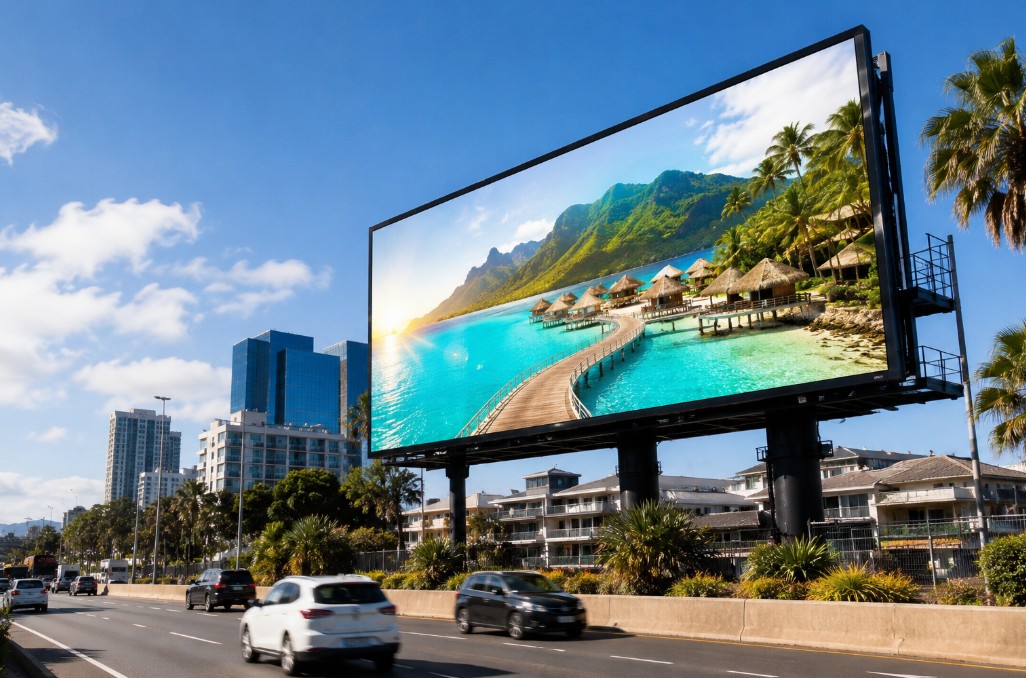
Billboard advertising can put a hotel, resort, or destination in front of a large local audience every day. It works particularly well when the creative is simple enough to understand within a few seconds.
Instead of filling a billboard with too many details, it’s better to focus on a single strong offer or experience. For example, a resort could promote a weekend package and a destination could emphasise a major attraction or a seasonal event. A striking image, a brief headline, and a clear call to action are generally more useful than attempting to explain everything at once.
Location matters, too. Working with experienced tourism marketing agencies can help businesses consider where travellers, commuters, and potential visitors are most likely to encounter the campaign.
Bus Advertising for Hotels and Travel Businesses
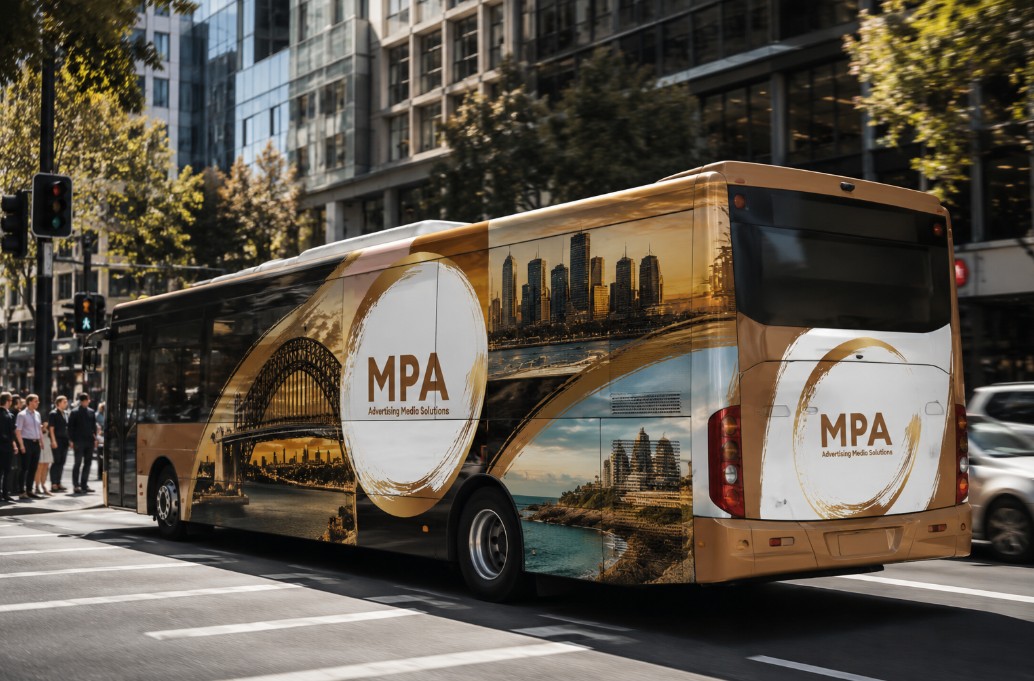
Bus advertising provides another way to repeatedly expose people as they pass through crowded areas. It can be useful for hotels and travel companies when promoting accommodation, attractions, holiday packages, or specific travel experiences.
To be effective, the creative effort should focus on quick communication by using vivid imagery, clear, readable text, and a single main message rather than several competing ones. For instance, a campaign for a seaside resort could use an attractive photograph of the destination with a simple message about booking for the season.
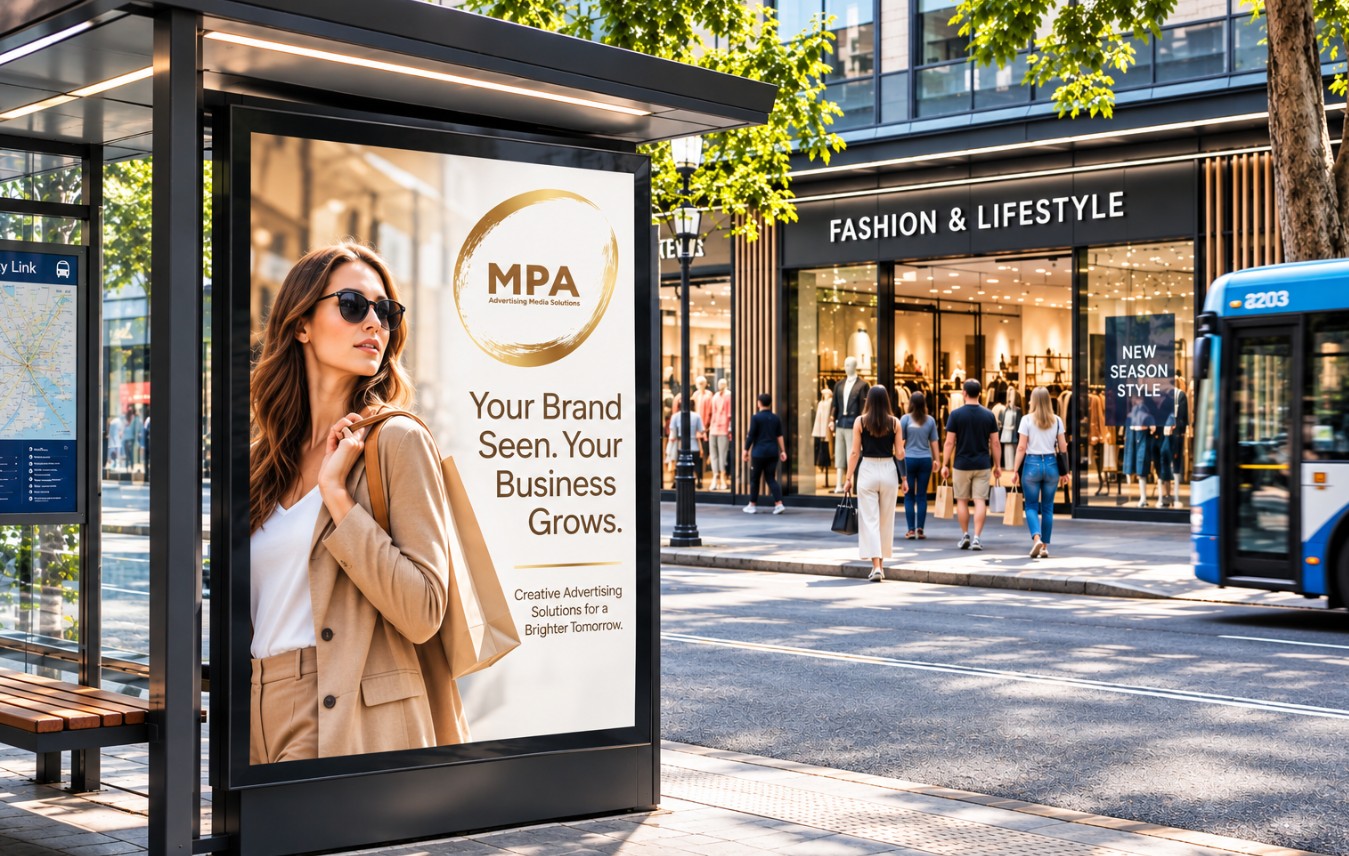
For businesses targeting a particular city, bus shelter advertising in Sydney can also provide a more localised way to promote tourism offers to pedestrians, commuters, and residents.
TV Advertising for Hotels and Resorts
TV advertising offers tourism companies what static formats usually can’t: movement, sound, and the element of storytelling. A brief advertisement might show a room with an ocean view, a family discovering a destination, or a couple having an evening at a resort.
The emotional aspect matters because travel often involves as much anticipation as the journey itself. A high-quality travel company advertisement may therefore focus on the feeling of a trip rather than just what is included.
It is also worth considering when to launch a campaign; running advertisements around school holidays, public holidays, major sporting events, or other peak travel times can help companies reach people when they are already considering a trip.
Digital Billboard Advertising for Tourism
In a digital billboard advertising campaign, tourism businesses can switch between several messages. This makes it easier to promote different packages, events, or destinations without relying on a single permanent creative.
This flexibility is especially useful for seasonal promotions. For example, a hotel might promote an upcoming holiday package one week and then switch over to an offer related to an event later on. Messages can also be updated if availability, travel conditions, or the promotions change.
Strong visuals still matter. Digital does not automatically mean complicated. A bold destination image, concise offer and direct call to action can often do more than an overloaded screen.
Combining Traditional and Digital Tourism Advertising
Tourism campaigns do not necessarily need to choose between traditional media and digital channels. In many cases, they work better together.
Outdoor campaigns can build awareness, while social media and search campaigns give interested audiences somewhere to continue the journey. For example, a billboard might introduce a hotel package, while a QR code takes people directly to its booking page. For broader destination campaigns, destination marketing agencies can help coordinate messaging across different visitor audiences and promotional channels.
This approach also makes measurement easier. Businesses can track website visits, enquiries and bookings alongside broader brand exposure. A media agency in Sydney can help coordinate these different touchpoints so that the campaign feels connected rather than like several unrelated advertisements.
For larger destinations, working with destination marketing agencies can also help align advertising with broader visitor campaigns and destination positioning.
Seasonal Tourism Advertising Ideas
Tourism demand changes throughout the year, so advertising should change with it. School holiday packages, summer escapes, winter experiences, and long-weekend offers all give businesses reasons to refresh their campaigns.
Public holidays and major events can create another opportunity. A hotel near an event venue, for instance, might promote accommodation packages before demand peaks. Time-sensitive messages such as “Book early” or “Limited availability” can also encourage people who are interested but have not yet made a decision.
It is worth planning ahead for outdoor advertising in Australia. Leaving seasonal campaigns until the last minute can mean missing the period when travellers are researching and booking.
Building a Strong Tourism Advertising Strategy
Good tourism advertising is not simply about choosing the biggest format available. The message, audience, timing, location, and creative must all support the same goal. Working with tourism marketing agencies can also help businesses decide which channels, locations, and campaign timings make sense for their audience.
A hotel may need awareness in its local market, while a destination may be trying to attract visitors from interstate or overseas. A travel business might focus on a particular holiday package. Those differences should shape the campaign.
Likewise, tourism marketing agencies can help bring traditional and digital activity together, while destination marketing agencies may focus more heavily on promoting an entire location or visitor experience. The right mix depends on what the business is trying to achieve.
The most successful campaigns usually keep the concept simple by showing people where they’d like to end up, giving them a good reason to make the journey, and making the next step clear.
Conclusion
Tourism businesses have many ways to reach potential travellers, whether through billboards, bus advertisements, TV ads, or digital billboards. The challenge is making these channels work together.
A well-crafted advertisement from a travel company can generate interest, and by maintaining a consistent message across both outdoor and digital channels, it is possible to turn that interest into action. With careful planning, tourism advertising can focus less on simply being seen and more on giving people a reason to travel.
Ready to put your tourism campaign in front of the right audience?
MPA – The Media Planning Agency can help you develop media campaigns that connect with potential travellers at the right time and place. From outdoor placements to digital campaigns, we create media strategies designed to build awareness, attract interest, and encourage bookings. Call us at 1300 889 115 to discuss how we can help you grow your tourism brand.