People swipe past countless ads every day, so cutting through that noise has become a real challenge. Every brand wants to be seen, yet earning attention keeps getting tougher, as everyone jumps between screens. You will notice something different, everytime you step into a mall, pause at a station, or wait at a traffic light. Screens are no longer confined to phones. They’ve moved into the spaces we pass through, blending naturally into daily routines.
That shift is a big reason advertisers are leaning into Digital Out-of-Home Advertising (DOOH). It shows up in the real world, using digital screens that can’t be skipped, scrolled past, or ignored in a few seconds.
In this article, we will see how DOOH has grown into a core part of modern marketing, why attention is harder to win today, and what makes digital screens so effective across different formats and environments.
The Growing Significance of DOOH in Modern Marketing Campaigns
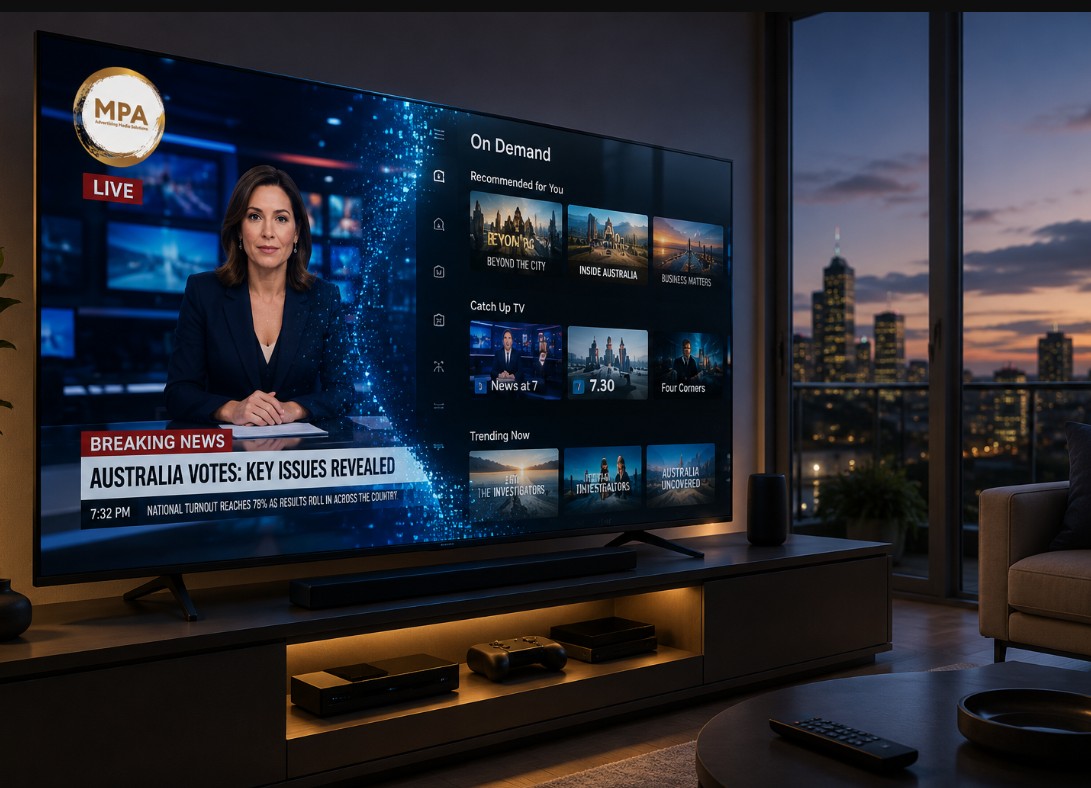
People today move through more content than ever, and most of it disappears in an instant, creating digital fatigue. DOOH cuts through that clutter by meeting people in the physical world, using digital advertising display screens that can’t be muted or scrolled past. That’s exactly what makes these screens so valuable.
Traditional channels often struggle to stand out in this environment, while digital advertising display screens meet people right where they already are. On the street, at a bus stop, in a mall, or at an airport, they create a steady presence without getting in the way. Their real strength lies in their ability to blend creativity with precision. Unlike print or static billboards, these screens adapt in real time, letting brands shift their message depending on the time of day, the weather, or even live data trends. The result feels current and alive, and people notice it.
Large screens, motion, light, and real-world context draw the eye without trying too hard. One well-placed display can reach thousands in a single hour, which is why brands investing in digital advertising in Sydney or across outdoor advertising Australia are seeing stronger engagement and better recall than many online-only efforts.
The Evolution of Out-of-Home Advertising
Out-of-home advertising has come a long way from painted walls and printed posters. What started as simple brand exposure has evolved into a data-backed experience powered by digital advertising display screens. The shift began with LED billboards and slowly expanded into networks of digital panels across cities, transport hubs, and retail centres.
The introduction of LED panels, cloud-based ad management, and programmatic buying transformed the industry. Campaigns could be updated instantly, measured in real time, and integrated with broader digital strategies. This evolution has made digital billboard advertising more scalable and measurable than ever before.
Digital transformation has made outdoor screens smarter and far more responsive. Data, geolocation, and real-time cues let campaigns respond to what’s happening around them. They can now respond to live traffic, weather updates, or social media trends. A restaurant can push lunch offers to nearby commuters, a movie studio can promote evening showtimes, and a coffee brand can show iced drinks on a hot day and switch to warm brews when the temperature drops.
This kind of agility keeps DOOH fresh, relevant, engaging, timely, and hard to overlook.
What Makes DOOH Different from Traditional OOH?
A static billboard does its job, but a moving screen captures attention in seconds. Motion, soundless storytelling, and bright visuals play a major role in holding the viewer’s eye. Digital Out-of-Home Advertising combines video, animation, and timely content to create a more immersive experience than traditional formats.
With digital advertising display screens, campaigns remain fresh and contextual. DOOH allows updates instantly. Messages can be adjusted by time of day, location, or even temperature. A clothing brand can display raincoats on a wet afternoon or sunglasses when the sun breaks through. That flexibility makes outdoor advertising in Australia feel alive and responsive.
The real strength of DOOH lies in its ability to connect with data. By analysing traffic patterns, audience behaviour, and environmental triggers, brands can refine how and when their message appears. This brings DOOH closer to the accountability of digital channels, such as social or TV advertising costs, through benchmarking. This is something traditional billboards could never achieve.
Types of Digital Out-of-Home Advertising
Digital Billboards: High-Impact Visual Storytelling
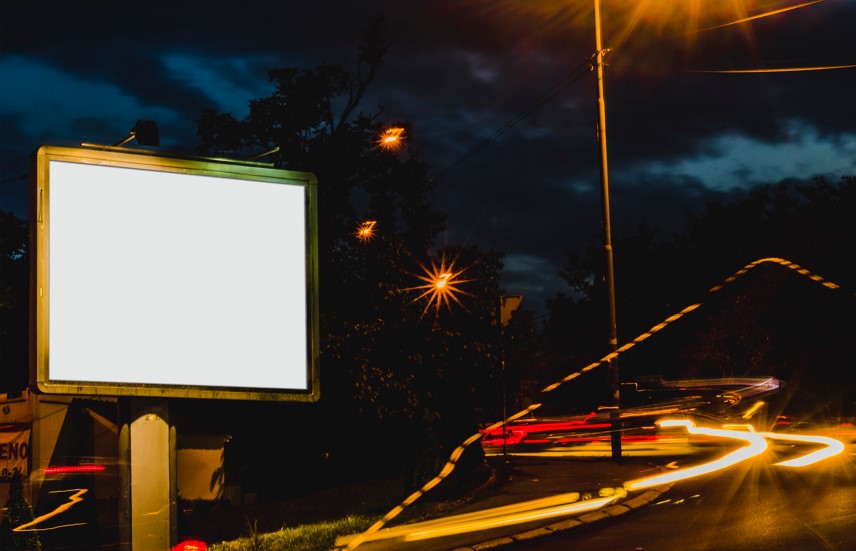
Digital billboards are the most recognisable form of DOOH, dominating highways, city centres, and busy shopping precincts. Their size and placement allow digital billboard advertising instant presence, letting bold visuals tell large-scale stories that are hard to miss and easy to remember.
Transit Advertising: Engaging Audiences on the Move
Bus advertising in Sydney and screens across train stations reach people during their commute, a moment when they’re alert but less absorbed in their phones. These moving and station-based displays turn daily routes into steady exposure, giving brands citywide visibility from morning to night.
Digital Street Furniture: Smart Kiosks, Bus Shelters, and More
Screens built into public spaces, whether at bus shelters, kiosks, or charging points, connect with people as they go about their routines. They sit naturally in the environment and work for both broad campaigns and local messaging. Many of these panels can also share directions, updates, or nearby offers, making the experience feel useful as well as visible.
Place-Based Media: Targeting Audiences in Malls, Gyms, and Airports
Place-based DOOH focuses on indoor environments where people spend time and have room to notice what’s around them. In gyms, screens tap into energy and motivation; in malls, they support discovery and retail offers; in airports, they lean into aspiration and travel. Each setting shapes how the message lands by matching the viewer’s mindset and surroundings.
Key Features That Make DOOH Effective
Motion and animation for increased visibility
Movement catches the eye far faster than static imagery. Looping videos, subtle animations, or shifting graphics bring a message to life, making it stand out in high-traffic spaces and hold attention longer compared to print.
Dynamic content scheduling and dayparting
DOOH lets brands adapt their messaging throughout the day. Morning commuters can see coffee or breakfast promos, while evening crowds get entertainment or dinner offers. It keeps the content relevant to the moment.
Geo-targeting and proximity-based messaging
DOOH networks now integrate GPS data, allowing advertisers to trigger content based on location. Location-based technology allows screens to deliver hyperlocal messages. A café can point people toward a nearby store, or a retailer can target specific suburbs or routes. This approach helps DOOH rival online ads in precision while delivering greater visual impact.
Interactivity and audience participation
Modern DOOH goes beyond passive viewing. QR codes, touch panels, and mobile-linked interactions invite people to take part, blending digital engagement with real-world visibility. This interactivity builds stronger connections: something traditional OOH can’t achieve.
Conclusion
Digital Out-of-Home Advertising shows how far brand storytelling has evolved, blending the creativity of traditional outdoor formats with the precision and adaptability of digital data. Whether it’s digital billboards, bus advertising in Sydney, or smart kiosks across Australia, DOOH connects with people in real spaces and real moments. It moves, adapts, and engages while staying rooted in the physical world, bringing the energy of online marketing into the places where audiences actually live, travel, and make decisions.
Ready to upgrade your next campaign to a stronger level?
Plan Your Next Campaign with MPA. At MPA – The Media Planning Agency, we help brands make the most of modern outdoor media. From digital advertising in Sydney to large-scale outdoor advertising in Australia, our team builds strategies that connect creativity with performance.
Call 1300 889 115 to get started on your next campaign.